The Humanistic Psychology of Carl Rogers
Carl Rogers’ humanistic psychology focuses on the individual, empathizing with their life story and fostering the development of their potential.
Carl Rogers’ humanistic psychology inspired such admiration that it was once described as “the silent revolution.” Rogers brought a sense of vital optimism to psychotherapy, convincing us that we all deserve to become the kind of person we dream of being. He spoke to us about authentic relationships and our need to “blossom” into our fullest potential as human beings.
There are many theories of personality in psychology, and while each has its own core elements, they often share common ground and similar approaches. Yet, looking back at the range of fascinating theories, that of Carl Rogers stands out for its positive vision of the human being and for bringing a much-needed change in perspective.
“The curious paradox is that when I accept myself just as I am, then I can change.”
Leaving behind or setting aside the passive or deterministic view emphasized by psychoanalysis and behaviorism, the humanistic psychology of the man considered the most influential psychotherapist in history began to speak to us about human freedom. It highlighted our capacity to grow and to create a better world, encouraged us to take responsibility for ourselves, and invited us to open up to experience through a non-directive therapy aimed at fostering self-awareness.
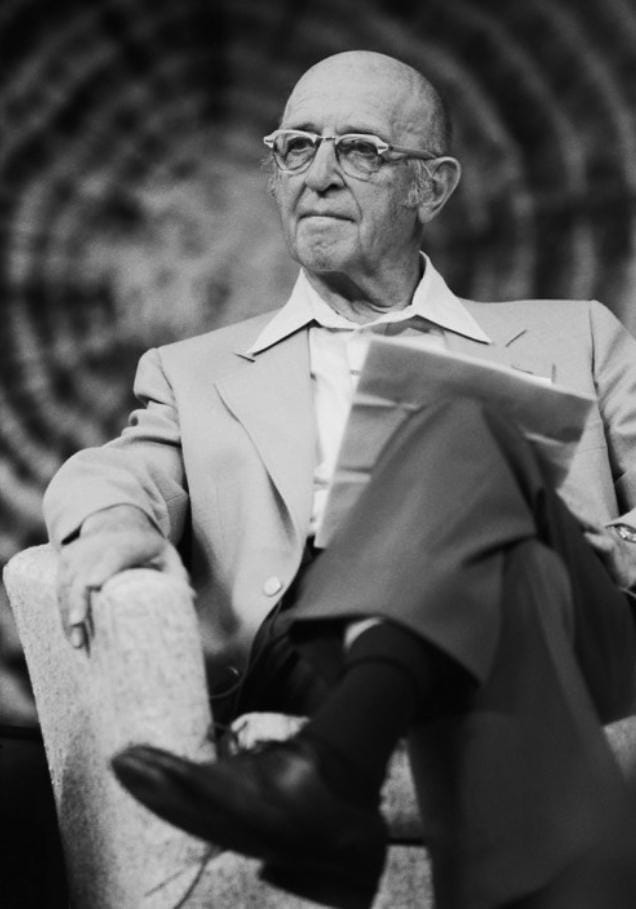
Carl Rogers’s humanistic psychology was actually aimed at a concrete and essential goal: to provide help. In fact, it was he who, after the Second World War, offered psychological assistance to all those soldiers who had been left disabled or traumatized.
Up to that point, the only intervention those young men received was from doctors; no one in the United States had taken the step to go beyond physical wounds and try to address and intervene in emotional ones.
Shortly afterwards, Japan invited him to teach his techniques and approach to the country’s psychologists. Almost unknowingly, Rogers developed a type of psychotherapy that captivated and fascinated people around the world, earning him a nomination for the Nobel Peace Prize.
El lema de este Foro es Buscando la paz en el Mundo.


+34 674 081 931

Creado por los Organizadores del XVIII Foro Internacional PCA 2026
Política de privacidad | Términos | Cookies